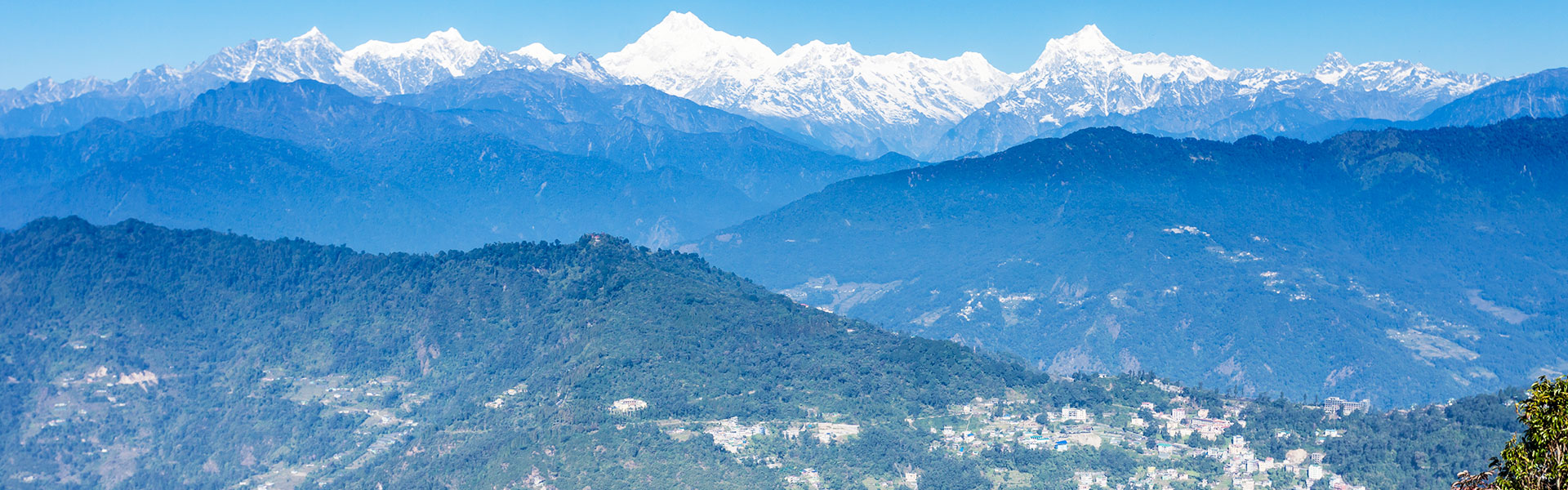
With captivating scenery and hypnotizing scenery, East Sikkim is a flawless vacationer’s destination in Sikkim. One of the four districts, the south-eastern locale of this Himalayan state is the prime destination with numerous places to visit and customs and celebrations to enjoy. The capital city of Sikkim, Gangtok is the prime traveler’s hub of East Sikkim. Aside from being the regulatory center point of the state, East Sikkim is likewise the center point of tourism activities in the Himalayan area.
The rich greenery, entrancing valleys, delightful lakes, and numerous old monasteries and temples enhance East Sikkim drawing in a large number of vacationers.
Here are the must-visit destinations in East Sikkim!
 01
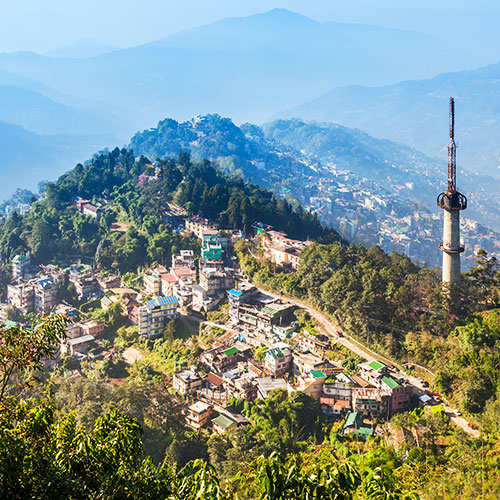
01 Typically any page about East Sikkim needs to begin off with Gangtok. It is Sikkim’s capital and without a doubt is the most glitzy humming city. Settled at 1650 m above ocean level, Gangtok has great nightlife, adequate gaming encounters, a pleasant assortment of delicious food, and a lot of spots around its region to keep the normal traveler involved for somewhere around 2 to 3 days. Once in Gangtok you can’t miss exploring the distinctive city sights like Ganesh Tok, Hanuman Tok, Enchey Monastery, White Hall, Tashi View Point, and Himalayan Zoological Park alongside Sa Nagor Center and different attractions. Gangtok offers a comprehensive ordeal… an exciting blend of shopping at MG Marg, Sikkim’s best shopping center. Gangtok is 120 km far from NJP (New Jalpaiguri) and 124 km from the Bagdogra airplane terminal.
The best time to visit Gangtok is during the summer and winter seasons.
 02
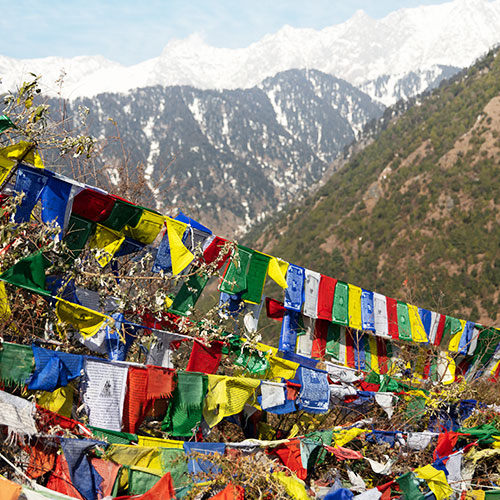
02 Situated around 34kms from Gangtok, Yakten is a little town at an elevation of 5,300ft known for its pine woods, orchids, excellent winged creatures, and butterflies, with the setting of transcending green mountains offering panoramic views of Kanchenjunga snow peaks.
There are a couple of homestays, the vast majority of which are secretly kept running by the locals here. One of the perfect activities here is to take a nature walk where you would stroll through woodlands, go by town cabins, talk with local people, hear the tweeting of flying creatures, and watch butterflies and orchids. One such well-known nature walk is to a place called Bojyetar - an open field territory encompassed by pine trees. In transit back you will go through forested trails. Some pleasant towns close by to investigate are Parakha town, Barapathing and after that Rolep town where you can stroll along the bank of Rolep river.
Yakten can be effectively reached from Gangtok by taxi in around 1 hour 35 minutes (34 km) through Ranipool, Saramsa Garden, and Pakyong.
 03
03 The Tsogmo Lake/Changu Lake
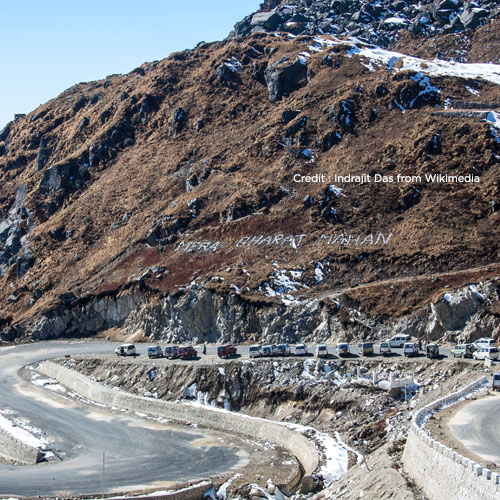
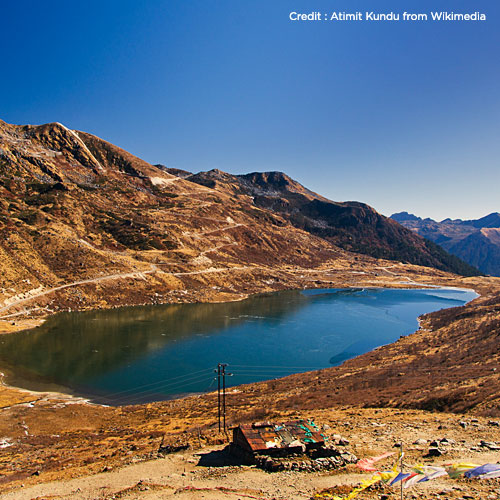
The Tsogmo Lake/Changu Lake is only 35 km far from Gangtok and features a beautiful impression of the mountains in its completely clear water. Strikingly this is one of the uncommon high-elevation lakes in India. This lake was likewise a piece of the old Indo-China exchange course. The regular scene at Changu Lake contains Yak rides all around the lake with a visit to the little hallowed place adjacent with tea, espresso, and Tibetan noodles at the little shops here. You can likewise look at the Kyongnosla Sanctuary adjacent has Himalayan Bears, Pandas, and a dazzling gathering of orchids.
Nathula Pass
Nathula Pass (Height 13,123 Feet) remains on the intersection of the Indo-Chinese fringe and it’s a branch of the old silk course. Today, this place deals with a considerable measure of visitor activity like it used to oversee dealer movement previously.
The Baba Mandir
The Baba Mandir is settled between the Jelepla Pass and Nathula Pass. One can join a visit to the Baba Mandir alongside Nathula Pass and Tsongmo Lake. This Mandir is a tribute to Harbhajan Singh… a soldier from the Indian Army. This is a sacred place believed to be blessed by the spirit of Baba Harbhajan Singh.
Summers i.e. between April to mid-June and pre-winter i.e. October to November. Sightseers are not allowed to visit the pass on Monday and Tuesday.
 04
04 Tukla Valley
Tukla Valley is a fortunate place of lovely landscape offering breath-taking views of snow-topped pinnacles including Kanchenjunga. The magnificence of Tukla Valley resembles that of the Tibetan good countries. Here there is a remembrance devoted to British troopers here who valiantly battled the skirmish of Tukla. This valley is totally flawless white with snow in late winter while in September and October the bounty of nearby blossoms turns the valley red.
Another must-see fascination close to Tukla Valley is the relatively regal blue Kupup Lake which is also known as the Elephant Lake. Local people call it Bitan Cho and it is one of the most popular tourist destinations in this region.
The Baba Mandir (Old One)
The Baba Mandir is toward the end of a forked street from Tukla and it supposedly contains the Samadhi of Baba Harbhajan Singh. This Baba was an Indian fighter who passed on in an appalling mishap around there and resurrected himself in the fantasies of an individual trooper requesting that a sanctuary be built in his memory.
The Kupup Lake and Tukla valley remains nearly closed from January to the end of April. May and June are the most excellent months as the climate is great and the entire zone has a flower cover including the acclaimed rhododendrons. Rainstorms are not a decent time to go trekking here but rather late-fall and pre-winter (October – November) are additionally lovely and appropriate for treks.
 05
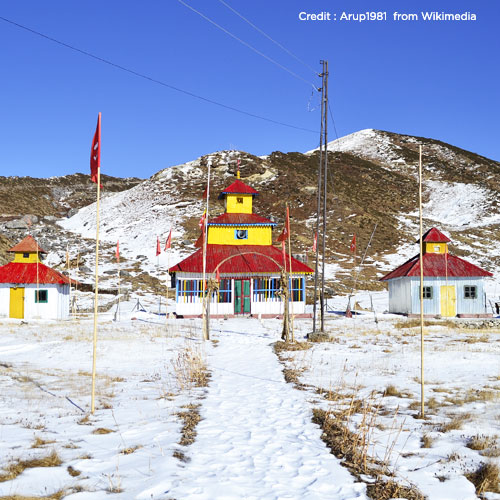
05 The Nathang valley (otherwise called Gnathang Valley) is a piece of the amazing silk course. It remains at a height of 13,500 feet and was at one time the home of Tibetan yak herders. Numerous streams pass through the valley and heaps of petition banners ripple all around the edges of the mountains. It is said that this valley changes shading and each season offers another aspect of its excellence.
Just before winter, a rush of uncommon transient birds visit the valley attracting numerous ornithologists and photographers here. A little Hindu sanctuary and an antiquated religious community exist in the Nathang valley. From Nathang valley one can watch the close-by Sunrise viewpoint that is 20 minutes away (5kms). There are two of them – Eagles Nest Bunker which offers superb views of Kanchenjunga snow mountains, Bhutan, Tibet, and Sunrise View Point.
The valley is secured with wild blooms between June to September. This is an extraordinary time to visit. The valley stays secured with snow between January to April. This is an extraordinary time as well if you wish to enjoy snowfall.
 06
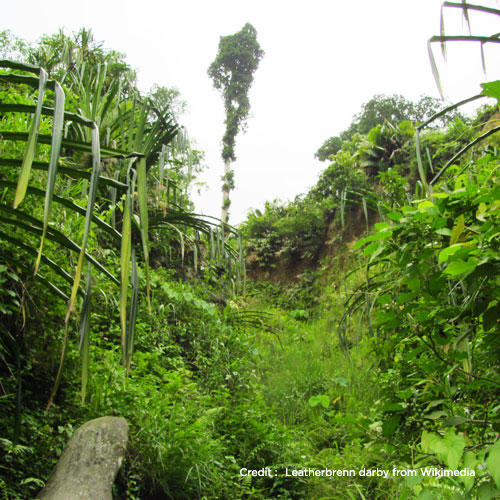
06 Rangpo is a beautiful town in East Sikkim and circumscribing West Bengal. It’s arranged appropriately close to the Teesta River and is really the principal town in Sikkim NH 10 that associates Gangtok with Siliguri. Rangpo is known as the door to Sikkim and most vehicles entering Sikkim need to stop to approve their documents and ID proofs here. If you enjoy cycling then you can take part in the most popular cycling trail in Sikkim which is from Gangtok to Rangpo. The trail goes through rough Himalayan land exchanging with rich green stretches. Rangpo likewise offers an excellent river boating activity. The pontoon will take you from the waterway point at Makha and after that cross Sirwani previously touching base at Rangpo.
Winters in Rangpo are chilly and hence all fun activities remain closed during this season. Summers and spring are the seasons of trekking, boating, and cycling.
 07
07 Mankhim
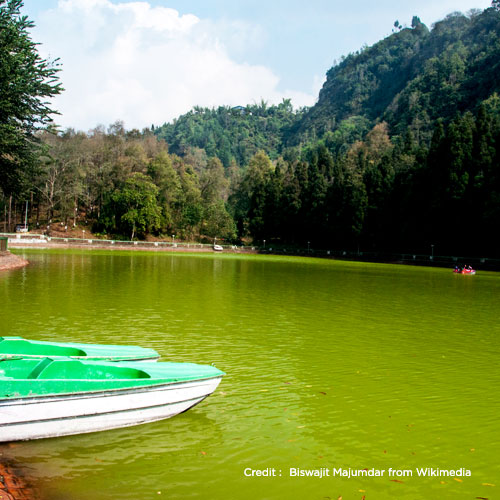
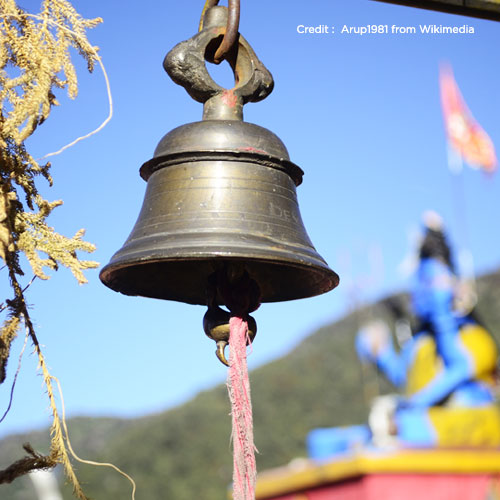
Mankhim is a wonderful ridge in Dalapchand town that lies under the Rongli division of east Sikkim. It’s a forthcoming destination that is popular for its mountain views and a direct reflection of the emerald-green Lampokhari Lake. Voyagers venturing out to Mankhim more often visit the adjacent visitor spots like SilleryGaon, Pedong, Kalimpong, and Reshikhola while others intend to visit the high-height green, Kupup Lake, Zuluk, and so forth on day trips. The main feature here is the 1.5 km long Mankhim to Aritar Lake trek which is a piece of the antiquated silk course. Almost 4 km far from Mankhim is Aritar, a well-known destination in Sikkim.
While in transit to the Lampokhari Lake there is a point called Love Dara that is a pleasant outing spot, you will see loads of winged animal watchers congregating there. Once you reach the lake you can appreciate paddle drifting and experiment with mountain climbing in the close-by hills.
This is an all-season place, anyway, the best trekking encounters and dawn views are accessible in winter.
 08
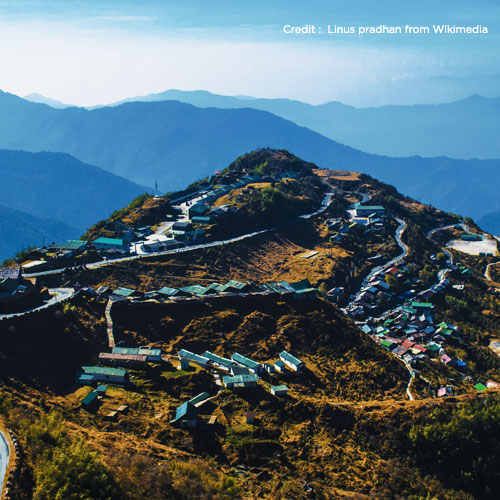
08 A destination that has picked up popularity lately is Zuluk (or Dzuluk) which stands at a stature of 10,000 feet in East Sikkim. Zuluk was the primary travel point in the silk exchange course between India and Tibet. There is a little settlement here including around 700 individuals alongside an Indian armed force base camp. This is likewise the primary spot in the silk course that offers homestays. You can stay here and explore close-by destinations such as Kupup and Nathang Valley. Zuluk offers quietness, stunning views, and crowds of rhododendrons during the summer season.
From August to October, the entire area is secured with wildflowers. From January to April there is a snow cover on Zuluk. In October the acclaimed Dashain and Tihar celebrations happen here.
 09
09 Around 37 km from Kalimpong lies the riverside withdrawal of Reshikhola. This place gets its name from the waterway Reshi. In Nepali, the word Khola implies a little stream. ReshiKhola lies between Sikkim and West Bengal. The stream valley is flanked by backwoods on all sides and these are loaded up with feathered creatures making it a haven for ornithologists and bird watchers.
Visit ReshiKhola whenever you wish to but if you wish to trek, then winter is the best season here.
 10
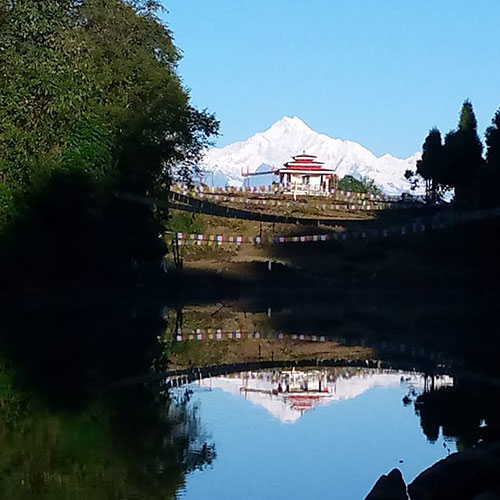
10 Situated at an altitude of about 7500 feet Mulkhara Lake is one of those undiscovered gems of Sikkim. On a clear day, the unparalleled beauty of this lake matched with the beautiful reflection of the Kanchenjunga on its tranquil water makes this lake a worthwhile visit. The lake is considered a sacred whishing lake by the locals.
The best time to visit this lake is between October and December as the days are clear and the view is great.
So, go ahead and walk the enchanted streets of these breathtaking destinations in East Sikkim and create worthwhile memories.
Plan your holiday with tailor-made preferences in exclusive package rates.

We would love to hear from you, as your feedback are important to us